Australian Walking and Cycling Conference 2026
The 2026 conference theme is Pathways of Least Resistance. This theme explores the mental, physical and social barriers to faster, safer and healthier journies. The program is still being finalised, but we have several confirmed keynotes:
Ian Walker
Ian Walker is Professor of Psychology and Head of the School of Psychology at Swansea University and specialises in psychology and behaviour in the areas of transport, energy and water. Ian has a long-standing interest in choices and behaviours around sustainable active travel.
His work on motonormativity – the shared bias that prevents us from judging motorised transport rationally – challenges some of the current thinking of travel behaviour change and provides insights that could lead to better programmes and outcomes. Ian has worked with national governments and local authorities, industry, research centres and advocacy bodies. He has appeared on podcasts and media programmes to talk about his work – and his endurance cycling!
Ian will help us rethink the resistance to travel change and better understand people’s thinking, to influence and advocate more effectively for better street outcomes and higher levels of active travel.
Prue Oswin
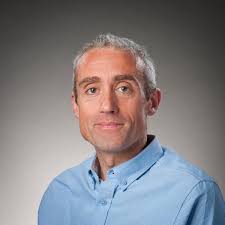
Prue Oswin’s engineering career started in the water industry working on strategic planning projects for Melbourne Water, local government, and consultancy. However, amid city planning workshops, she found herself drifting away from water network plans and towards maps where future cycling corridors were being drawn-up. Prue’s passion for active transport developed in her university years, where she walked, rode and even rollerbladed her way around life. Later, she competed as a professional ironman triathlete, riding hundreds of kilometres most weeks training for events. These experiences shaped her conviction that active transport was a healthy and sustainable way for people to move and that engineering should play a pivotal role in making it safer.
Terry Lee-Williams
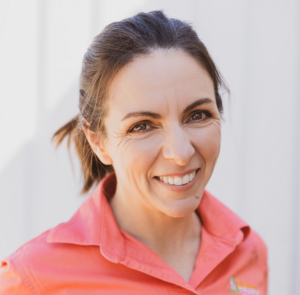
Terry Lee-Williams has worked at all levels of government and globally in consulting with the consistent message that the movement of people, not things, is what needs to be counted. For pedestrians and cyclists especially this is critical to fighting the resistance against people – principally modellers, economists and traffic engineers.
Terry will be discussing examples of how he has successfully created change by changing the conversation and acting with intent to benefit pedestrians and cyclists.
Clover Moore
Courageous, independent, and the first woman popularly elected Lord Mayor of Sydney.
Under her leadership, Sydney has developed a long-term strategic plan Sustainable Sydney 2030- 2050. The plan includes taking ambitious action on climate change; delivering award-winning community facilities and Affordable Housing; protecting and creating open space; promoting the cultural and creative life of the City, delivering transport options and championing the needs of diverse and vulnerable communities.
Clover is committed to a vital and welcoming city for all.
Fiona Campbell
Fiona Campbell is the City’s Manager of Cycling Strategy and has been with the City since 2008. She leads the City’s Cycling Team, a multi-disciplinary team which is the client, and provides all the support (planning, engagement, social research, mapping, behaviour change, and education), for the cycleway infrastructure. With the team she wrote the City’s Cycling Strategy and Action Plan 2018-2030.